ESTATE
Summary
With a longtime passion for multiplayer games, I wanted to create a Call Of Duty style level for the Domination gamemode.
Through this project, I not only wanted to showcase my design process for making multiplayer maps of this style, but also how to effectively iterate and improve upon something by taking constant feedback and having an open communication with your playerbase.
Due to the limited time of the project, I decided to scope appropriately and only realise my level to a refined blockout stage, focusing instead on the overall flow of the level. This also allowed me to make larger iterations in a quicker timeframe.
Specification
- Developed over 6 weeks half time
- Unreal Engine 5.5
- Asset Details
- FPS Multiplayer Template 6
- SuperGrid
Goals
- Design a multiplayer map with focus on flow and readability through playtesting and iteration
- Take my project to a Game-Ready Blockout stage
- Learn more about the iterative cycle & refine my skills in communication
Map Overview
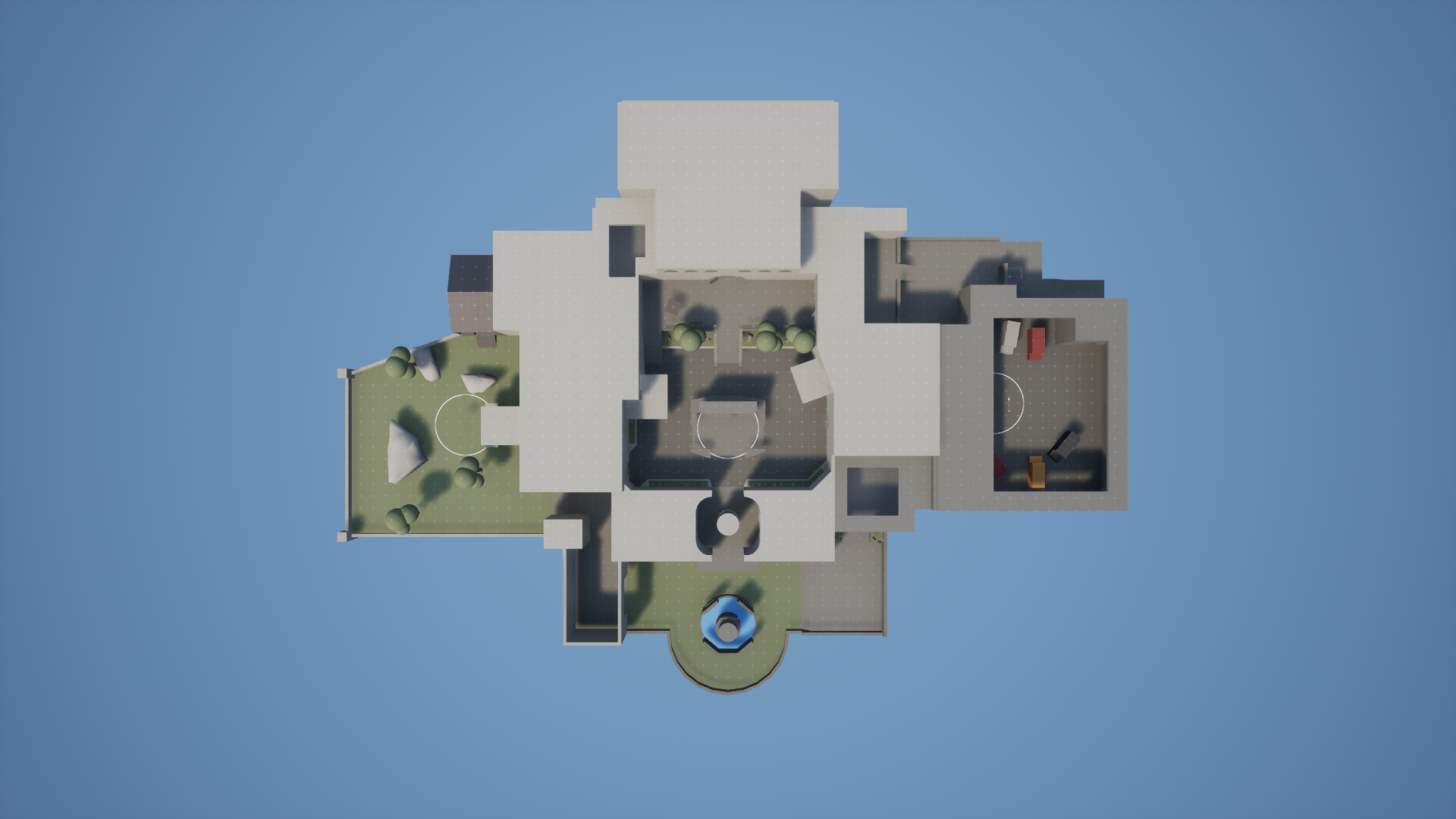
Pre-Production
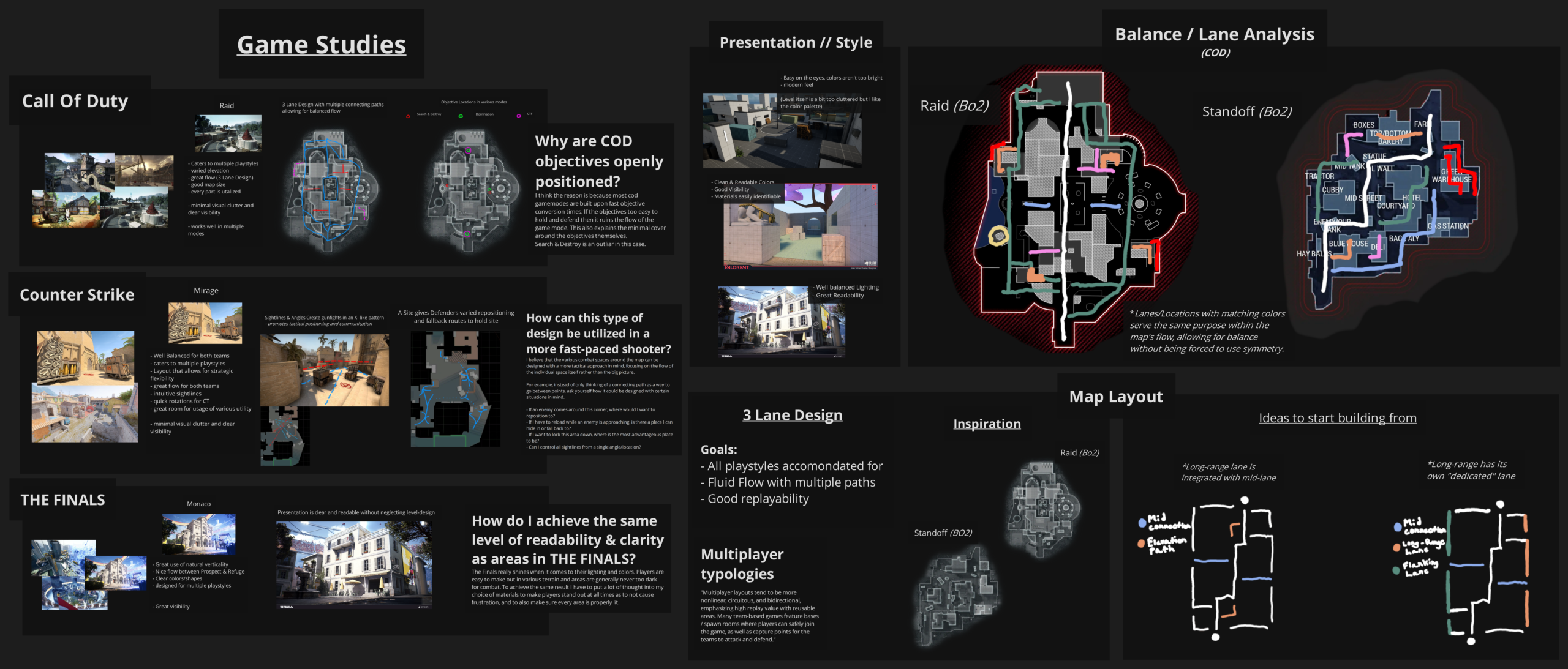
Before starting my project, I wanted to research & analyze what makes a fun map in the multiplayer fps genre. To do this, I made smaller ‘design case studies’ of maps from 3 different games and noted down various observations I could learn from and use within my project.
I also gathered inspiration for the overall presentation of my map and then created simple layout designs to start working from.
The Iterative Process
“Kill your darlings”
It’s important to take decisions that will move the project forward and reach your desired result, even if that sometimes means having to give up on initial ideas. The project was constantly evolving based on feedback, play testing and discussions with others. While most of the changes weren’t initially planned for, I believe it’s important to embrace change as something positive. The project ended up in a much better state because of it.
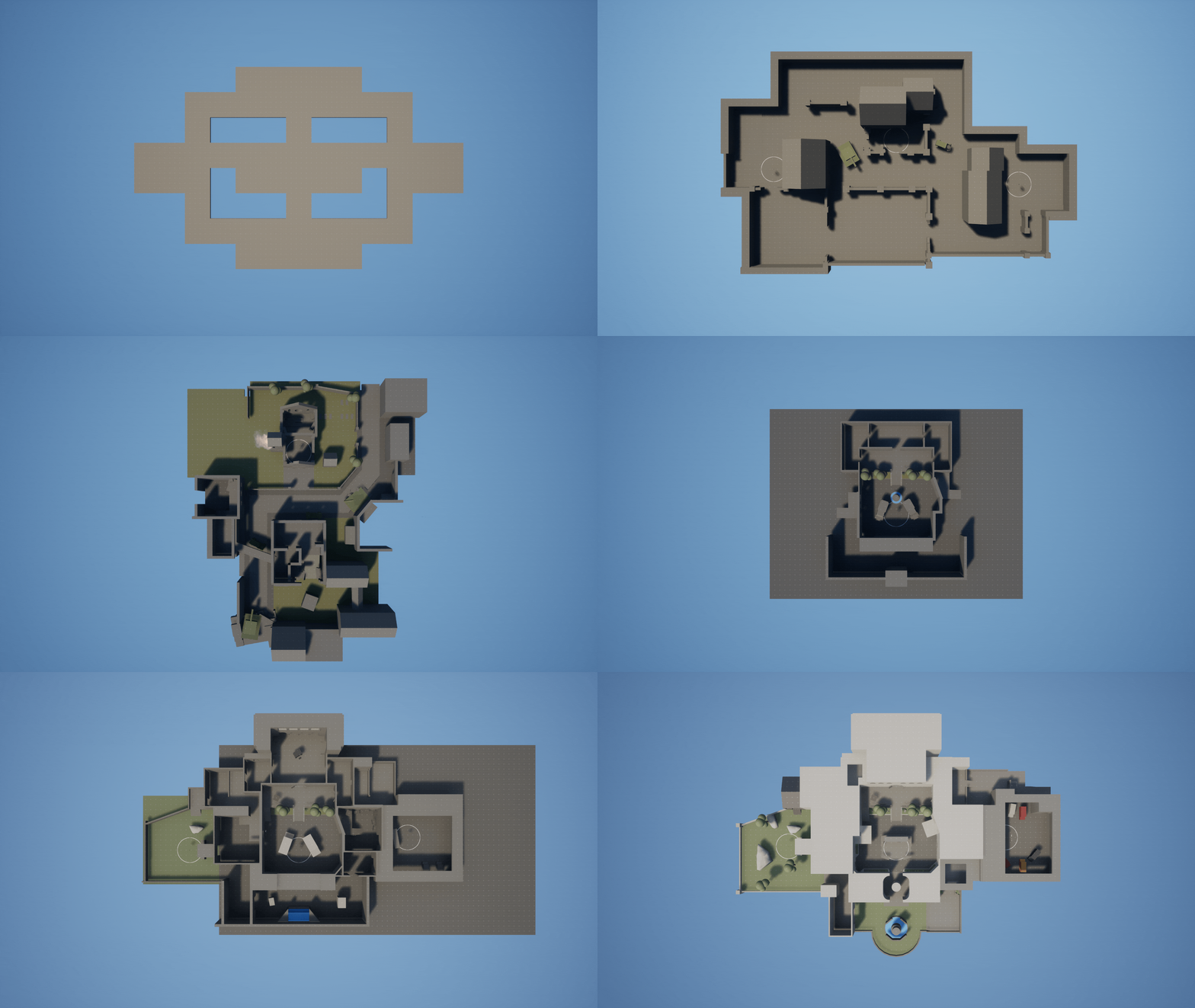
Timelapse of iterations based on feedback & playtesting throughout development
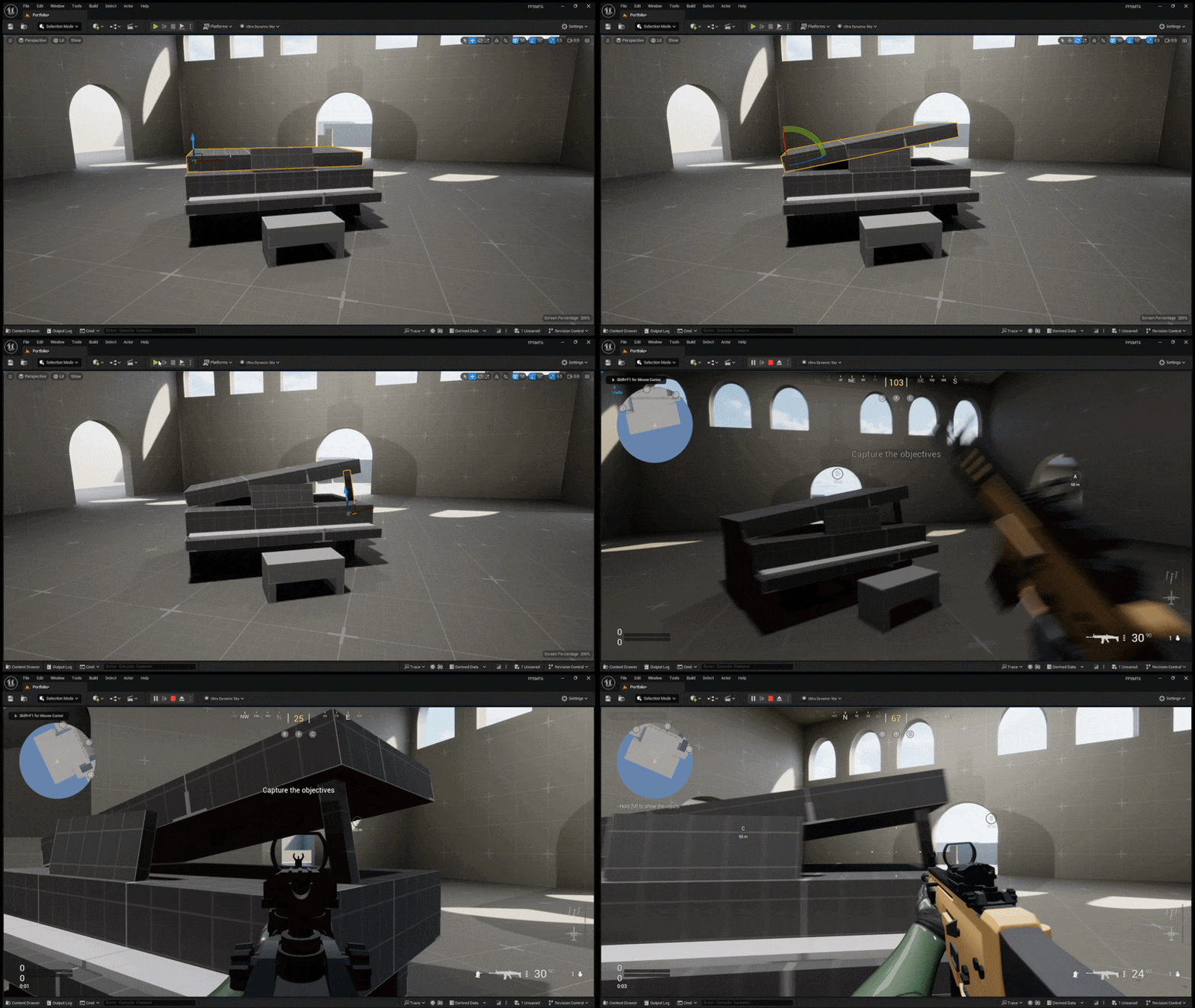
Example of an overpowered sightline appearing by opening the piano lid
Butterfly Effect
Managing angles & timings becomes critical in a multiplayer shooter, with the smallest of changes being able to affect the map drastically. I would make sure to playtest after making changes to check that there weren’t any new overpowered sightlines that had opened up, timings that had been affected or flow that had been distrupted.
The Importance of Feedback
Cornerstone of Success
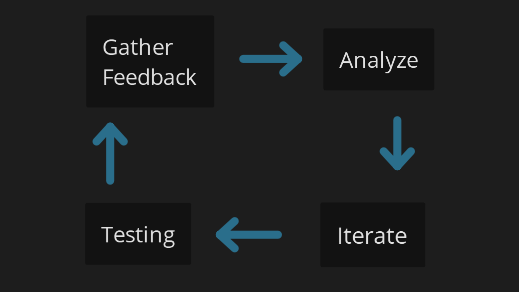
I believe that communication is the driving force for success in any collaborative work. To create something that’s loved by the community, you first have to understand what it is that the community loves. Through cycles of iteration, based on feedback and communication with others, you’re able to create something that isn’t only loved by the community, but also built by it. To me that is very special.
Frequent Playtests
To effectively iterate upon my design, I hosted large playtest sessions with real players from my school. Through these I was able to gather a more representative perspective on how the map actually plays in game. Seeing patterns in ways people would approach the map was crucial for future iterations and changes.
Getting Feedback Efficiently
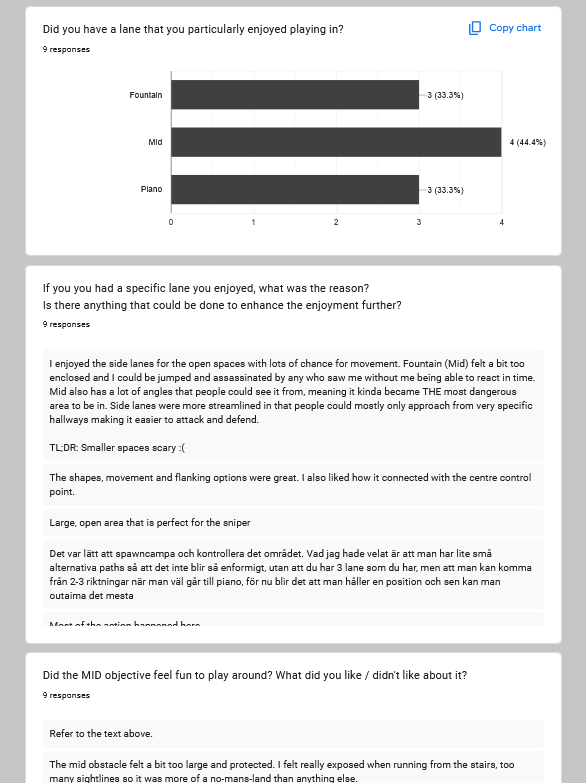
At the end of each playtest session I asked everyone involved to fill out a google form regarding their experience. Through the form I was able to gather various feedback regarding their playstyles, perceived balance and preferred/non-preferred lanes, etc. I analysed the answers from each playtest and used the feedback to iterate and build further upon my map.
Without the feedback & statistics gathered from these forms, I am positive that the map wouldn’t be nearly as good as it is today.
Asymmetrical Balance
How do you make an assymetrical layout balanced?
Some might think that having an unbalanced map isn’t a big deal in a game where you swap sides. After all, isn’t the map balanced if both teams get to play on the more powerful side? While this may sound reasonable on paper, having a map where you’re only having fun half of the time, is personally one I wouldn’t enjoy. Games are meant to be fun, and I want to try and design them to be fun throughout the entire playtime.
So how do we solve this? I personally like to deploy a method I call “Balance of Possibility”.
Balance of Possibility
Balance of possibility tries to weigh the different options and opportunities each side has in order to make it as balanced as possible while also keeping the gameplay unique and fresh. You can think of it as a “give & take” approach to the design.
Example 1
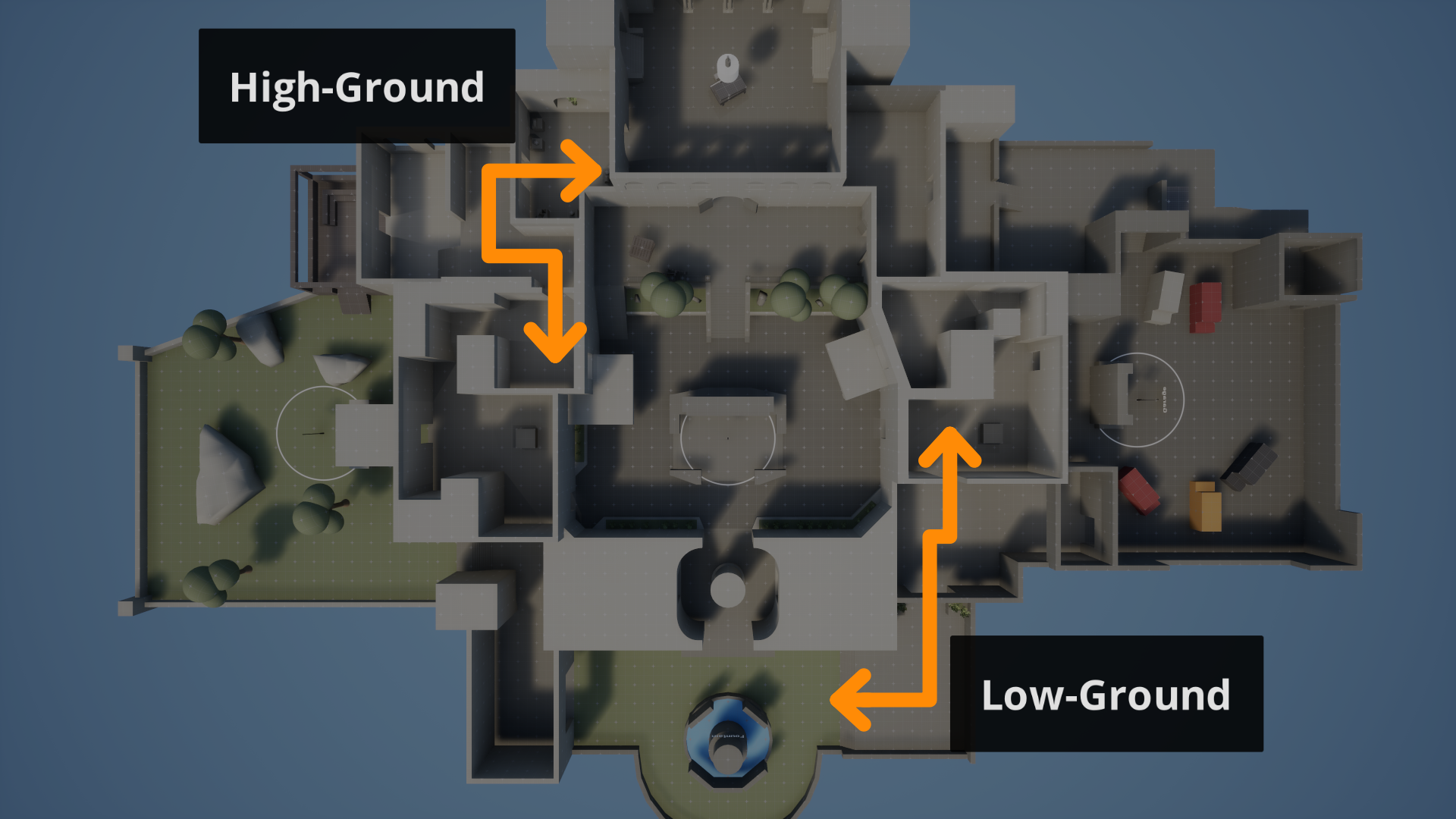
I decided to connect the two main rooms to different lanes. This gives each side lane additional importance and opportunity, while keeping the flow interesting for both sides.
Left Connection
Great flanking route to one of the main windows, while also serving as an effective reposition route from the mid lane to the top lane.
Right Connection
Great flanking route to one of the main rooms, while also serving as an effective reposition route from the mid lane to the bottom lane.
Example 2
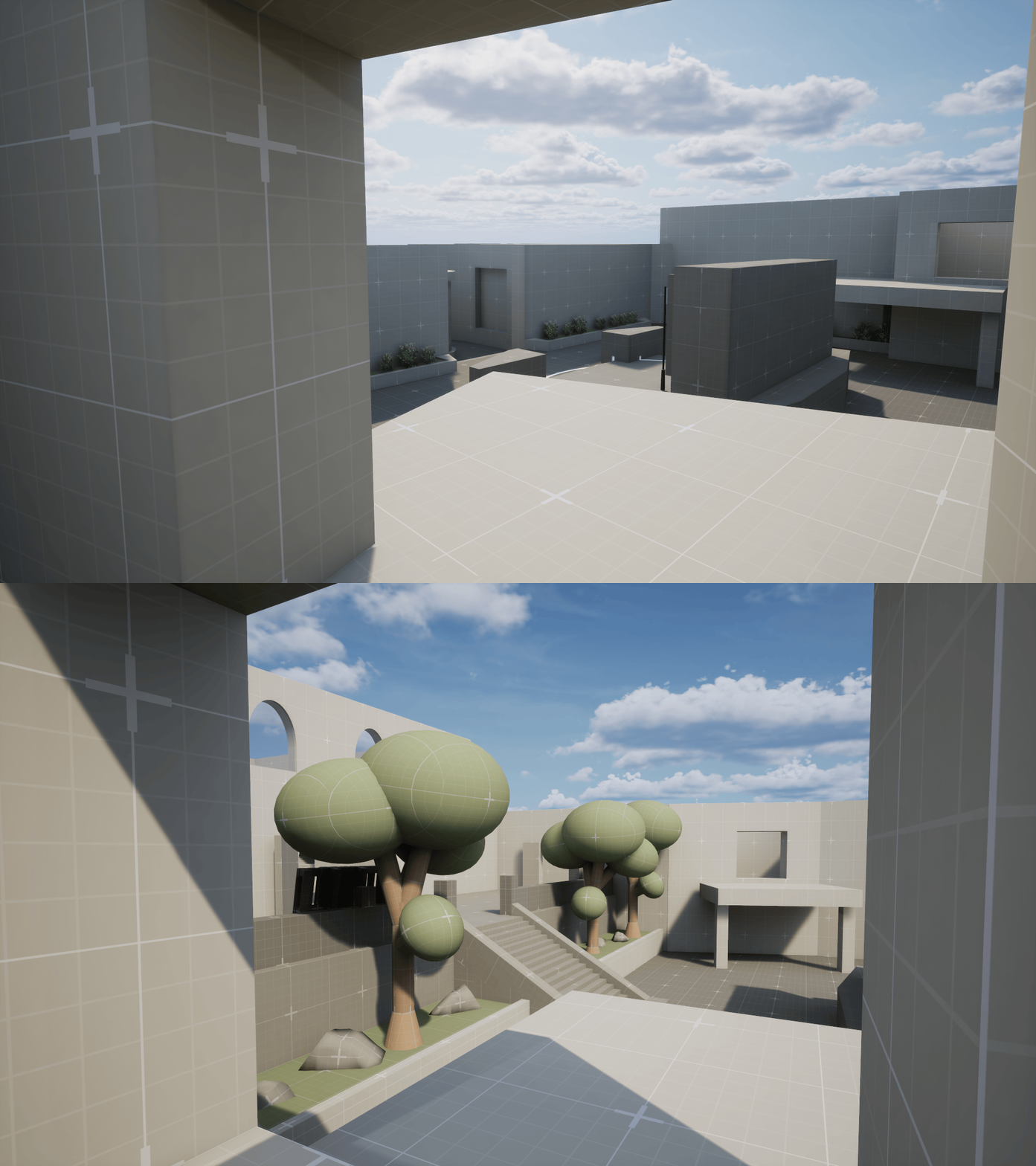
Angled Window
has an easier time overlooking the connection to the bottom lane.
Straight Window
has an easier time overlooking the balcony connected to the top lane.
Example 3
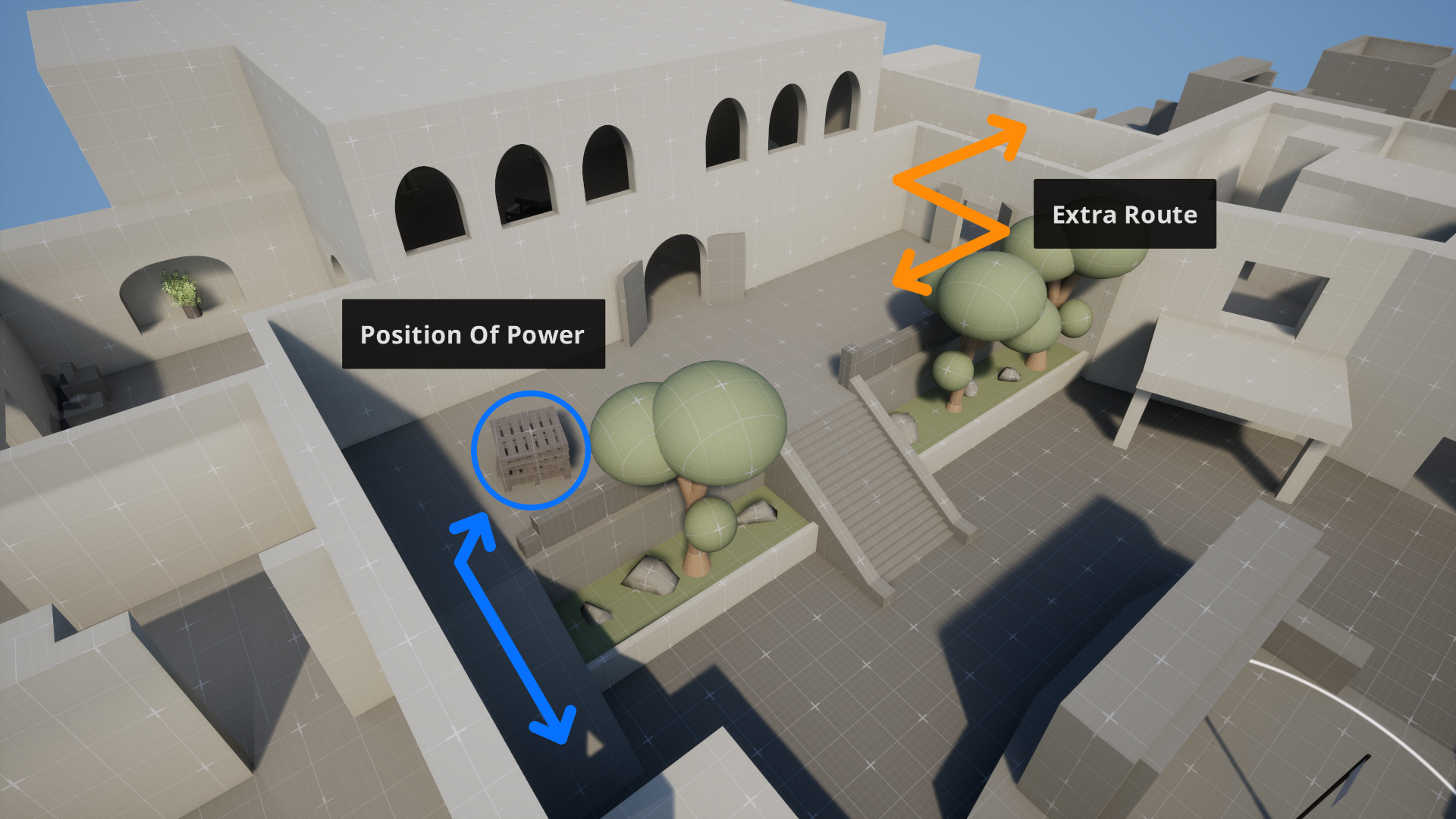
With the High-Ground connection leading to one of the windows, I felt that the balcony connection was too disruptive to the flow of that area.
I made the decision to remove it and instead add a position of power to that side, but with the risk of having to gain control of the piano room or run through the middle to reach it.
The other side then has an additional route to reach the balcony, without having to go through the middle or piano room.
Closing Thoughts
This project has been a dream come true for me. I’ve always loved the idea of creating a map that evolves with its players, a map that is constantly iterated upon due to strategies evolving, metas shifting and changes being made to the overall game.
Even if it was on a smaller scale, this project has shown me that this dream of mine is something I want to keep working towards, something I’m actively chasing as I’m learning and growing as a designer.
Had I had more time I would’ve iterated further upon the areas connecting to both spawns, as I feel they didn’t get realised to the degree in which I had hoped.
All in all, I couldn’t be more proud of the result. I can’t wait to learn more and create lots of fun maps throughout my journey. Thank you!